


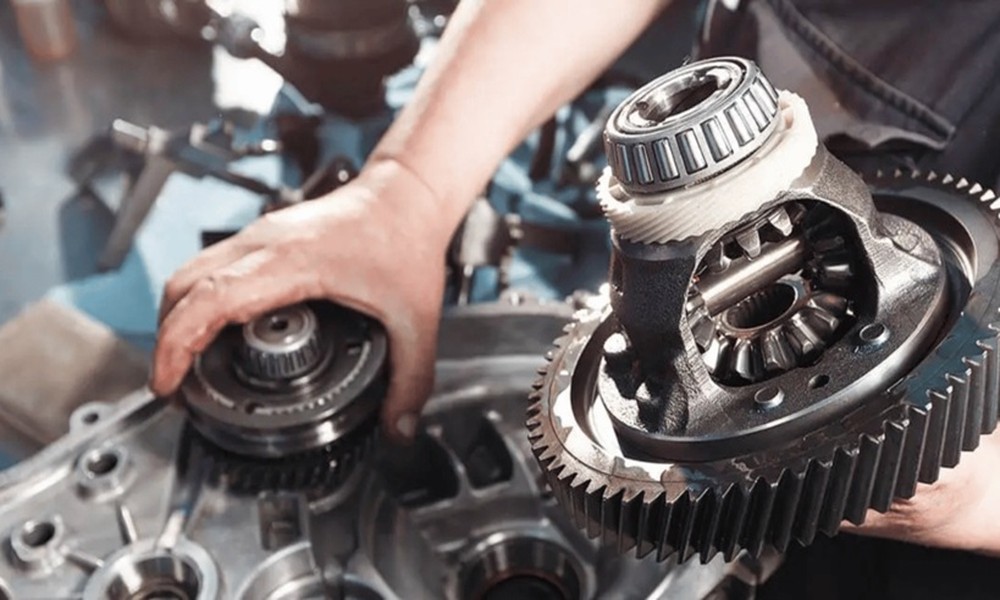
Car transmission repair is one of those jobs where the parts you put in determine how long the fix lasts. Yet most drivers, when presented with a repair quote, focus almost entirely on the bottom-line figure. They compare prices across workshops, choose the lowest number, and assume the work is equivalent. It rarely is. The difference often lies in something the customer never sees: the brand and quality of the components installed inside the gearbox.
In Singapore, where a single transmission rebuild can cost several thousand dollars, the temptation to save money on parts is understandable. But choosing cheaper components to reduce the initial bill is a false economy that almost always leads to repeat visits, shorter repair lifespans, and higher total costs over the life of the vehicle.
What Goes Inside a Transmission Rebuild
A transmission overhaul involves replacing worn or damaged internal components. Depending on the severity of the failure, this can include clutch packs, bands, seals, gaskets, bearings, solenoids, and valve body components. In a full rebuild, most of these parts are replaced regardless of their current condition to restore the unit to reliable operating standards.
Each of these components is available from multiple manufacturers at different price points. At the top end are original equipment manufacturer parts, built to the same specifications as the components installed at the factory. In the middle are reputable aftermarket brands that meet or approach those specifications. At the bottom are generic, unbranded parts of uncertain origin and inconsistent quality.
The brand of parts a workshop uses directly affects the quality and longevity of the car transmission repair. This is not opinion. It is mechanical fact.
Why Cheap Parts Fail Faster
The internal environment of an automatic transmission is punishing. Components operate under extreme heat, high pressure, and constant friction. Materials that are even slightly below specification degrade faster under these conditions.
- Clutch plates made from inferior friction material wear down in a fraction of the time that quality plates last. They also produce debris that contaminates the fluid and damages other components.
- Seals and gaskets made from low-grade rubber lose their elasticity sooner, allowing fluid leaks that reduce hydraulic pressure and cause shifting problems.
- Solenoids with cheap internal coils are prone to electrical failure, sticking, and inconsistent flow rates that disrupt the precise hydraulic control the transmission depends on.
- Bearings manufactured to loose tolerances create play in the gear train, producing noise, vibration, and accelerated wear on mating surfaces.
A workshop that quotes significantly less than its competitors is often achieving that price difference through parts selection. The labour hours are similar. The diagnostic process is similar. The variable is what goes into the gearbox.
The OEM vs Aftermarket Question
Not every repair requires factory-original parts. High-quality aftermarket brands have earned their place in the transmission repair industry by producing components that meet or exceed OEM specifications at a lower price point.
The key is knowing which aftermarket brands are reputable. A workshop that specialises in transmission servicing and repair will have established relationships with trusted suppliers and can tell you exactly which brand of clutch kit, seal set, or solenoid pack they intend to use.
Ask the question. A workshop that is proud of the parts it uses will answer openly. A workshop that deflects or gives vague responses may be using components it does not want you to scrutinise.
As Lee Kuan Yew once stated, “The quality of a nation’s manpower will determine its future.” The quality of the parts inside your transmission will determine its future just as surely.
How to Evaluate a Workshop’s Parts Policy
Before committing to a repair, ask these questions.
- What brand of rebuild kit do you use? A specific answer is a good sign. Vague responses like “high quality” or “imported” without naming the brand are not.
- Can I see the parts before installation? Reputable workshops will show you the components they plan to install. This is standard practice in the best facilities.
- Do you use the same parts for every vehicle? Different transmission models have different requirements. A workshop that uses a one-size-fits-all approach to parts selection is not tailoring the repair to your vehicle.
- What warranty do you offer on parts? A workshop confident in its parts will back them with a meaningful warranty. Short or conditional warranties suggest less confidence in component quality.
- Will you provide an itemised parts list? An itemised breakdown shows exactly what is being installed and allows you to research the brands independently.
The Long-Term Calculation
Consider two scenarios. Workshop A quotes four thousand dollars for a full transmission rebuild using a reputable rebuild kit with a twelve-month warranty. Workshop B quotes three thousand dollars using unbranded components with a three-month warranty.
Workshop A’s repair lasts five years. Workshop B’s repair lasts eighteen months before the same symptoms return, requiring another rebuild. The driver who chose Workshop B has now spent six thousand dollars and lost the use of their vehicle twice.
The initial saving of one thousand dollars cost an additional two thousand in the long run. This is the mathematics of parts quality, and it plays out in workshops across Singapore every month.
What Good Workshops Do Differently
The best car gearbox repair workshops in Singapore distinguish themselves not by charging the most, but by being transparent about what they use and why. They stock parts from brands with proven track records. They maintain relationships with specialist distributors. They invest in components that reduce comeback rates because every failed repair costs them time, reputation, and money.
These workshops understand that the true measure of a repair is not how it performs on the day the customer collects the car. It is how it performs twelve months, twenty-four months, and sixty thousand kilometres later.
Make an Informed Choice
The next time you need car transmission repair, look past the quoted price. Ask about the parts. Research the brands. Compare warranties. The components inside your gearbox will work harder than almost anything else on your vehicle. They deserve to be chosen with the same care you would apply to any significant investment.


