


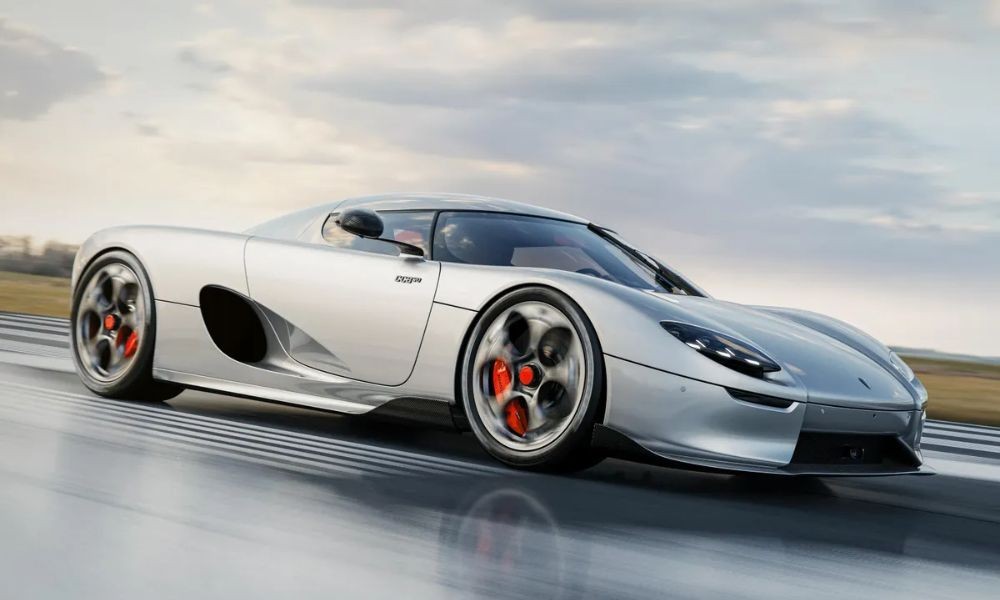
Aerodynamics is one of the most important factors in the design and performance of exotic cars. Although these vehicles are well known for their powerful engines and stunning appearance, much of their speed, stability, and efficiency comes from the way air flows around them. Engineers carefully shape every part of an exotic car to reduce air resistance, FisherLuxuryRental.com improve airflow, and increase downforce for maximum performance.
Understanding Automotive Aerodynamics
Aerodynamics refers to the interaction between air and a moving object. In automotive engineering, it focuses on controlling airflow around the vehicle to improve speed, efficiency, and stability. When a car travels at high speeds, air resistance creates drag that can slow the vehicle down and reduce performance.
Exotic car manufacturers design their vehicles to move through the air as smoothly as possible. By reducing drag, the car can achieve higher speeds with less effort. At the same time, aerodynamic engineering helps maintain balance and control during acceleration, braking, and cornering.
The Importance of Downforce
One of the key aerodynamic principles in exotic cars is downforce. Downforce is the pressure created by airflow that pushes the car downward onto the road surface. This increases tire grip and improves stability at high speeds.
Without enough downforce, a vehicle may lose traction or become unstable during sharp turns or rapid acceleration. Engineers use aerodynamic components such as rear wings, spoilers, front splitters, and diffusers to generate additional downforce while maintaining efficiency.
Many modern exotic cars also feature active aerodynamic systems that automatically adjust based on speed and driving conditions to provide the best possible performance.
Reducing Drag for Greater Speed
Drag is the force of air resistance that works against a moving vehicle. Excessive drag can reduce both speed and fuel efficiency. To minimize drag, exotic cars are designed with smooth body lines, low profiles, and carefully sculpted surfaces that allow air to flow efficiently around the vehicle.
Features such as flush door handles, aerodynamic mirrors, sculpted body panels, and optimized airflow channels help reduce turbulence. By improving airflow, exotic vehicles can travel faster while using power more efficiently.
Balancing low drag with high downforce is one of the greatest challenges in exotic car engineering.
Cooling and Airflow Management
Aerodynamics also plays an important role in cooling the engine and braking systems. High-performance exotic cars generate large amounts of heat, especially during aggressive driving. Engineers use strategically placed air intakes, vents, and ducts to direct cool air toward critical components.
Efficient airflow management helps maintain engine performance and prevents overheating. These cooling elements are carefully integrated into the overall aerodynamic design to improve both functionality and appearance.
Influence on Vehicle Design
Many of the styling features commonly seen on exotic cars are directly related to aerodynamics. Sharp front designs, large air intakes, rear diffusers, and dramatic spoilers are not included only for visual appeal; they serve important performance functions as well.
Designers and engineers work closely together to create vehicles that combine beauty with functionality. This fusion of artistic styling and scientific engineering is one of the defining qualities of exotic automobiles.


