


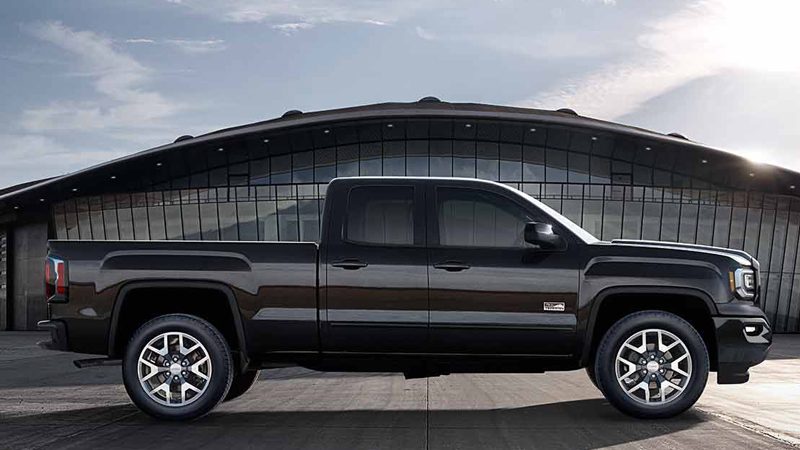
Buyers often overlook crash test scores and repair records when scanning local lots packed with pickups from Ford, Chevy, and Ram. These vehicles handle heavy loads and long hauls, so knowing their protection levels saves money and worry down the road. Check government data and seller reports before handing over cash for any pre-owned rig. Focus on models from the last decade with clean histories. This approach turns a risky purchase into a smart one.
Check Crash Test Scores First
Government agencies like NHTSA run tough tests on trucks for frontal, side, and rollover crashes. Scores range from one to five stars, with five being top safety. Prioritize rigs scoring four or better across categories. Local Dallas dealers should share these details upfront.
Decode Vehicle History Reports
Pull a full report from services like Carfax.
- Look for accident flags that note frame damage or airbag pops from past wrecks.
- Spot flood exposure records, common after Texas storms hit the area.
- Verify mileage matches odometer to dodge rollback scams on high-mileage haulers.
- Confirm service logs show regular brake and suspension upkeep over the years.
- Hunt for recall fixes, especially airbag or fuel system alerts from makers.
- Note ownership count; fewer hands mean less rough treatment likely endured.
- Flag salvage titles that signal major rebuilds after serious collisions.
- Review inspection stickers for emissions and safety compliance in Texas.
Spot Wear on Key Parts
Examine brakes, tires, and frame closely during test drives around Dallas freeways. Rusty underbodies from salted roads signal future rust-through problems. Soft suspension hints at an overloaded past use harming handling. Listen for odd clunks that point to loose steering links.
Buyers wonder what hidden safety tools make used trucks safer buys?
Modern pickups pack blind-spot monitors that beep for lane-change dangers. Adaptive cruise holds safe gaps in traffic without constant footwork. These add-ons cut crash odds by watching what drivers miss. Forward collision warnings slam on the brakes if you drift too close.Seek them in 2015-plus models for peace of mind on I-35 commutes.
Test Drive for Real Safety Feel
Drive on bumpy streets and highways to feel stability. Note how it sways in turns or stops from speed. Bring a mechanic for under-hood checks on belts and fluids. Trust your gut if it feels off-balance or grabs unevenly.
Weigh Local Dallas Dealer Tips
Talk to sellers about Texas inspection rules for brakes and lights. Ask for proof of recent safety tune-ups before final bids. Reputable spots offer warranties covering key fixes. Compare three lots to snag the best-rated truck deal.
Safety Ratings Comparison Table
This table shows average NHTSA scores for popular used trucks in the Dallas market. Data pulls from 2020-2024 models, highlighting rollover resistance and overall marks. Use it to compare before visiting dealers-new info not covered above.
Common Safety Questions FAQ
- How often should you check truck brakes? Inspect pads and rotors yearly or every 12,000 miles for safe stopping power.
- Do airbags matter in older trucks? Yes, they deploy fast in crashes; confirm replacements after any activation.
- What ignores red flags on reports? Skip trucks with frame rust or multiple accident listings to avoid repairs.
- How verify rollover ratings? Use the NHTSA site by VIN for exact scores on your potential Dallas buy.
- Are warranties worth the extra cost? They cover safety fixes like sensors, saving thousands in surprises.
- Why test lights and signals? Faulty ones cause tickets and crashes; Texas law demands working setups.
Secure Your Next Truck Smartly
Picking and evaluating safety ratings before buying used trucks in dallas Inventory keeps you rolling safely for years. Strong scores mean fewer breakdowns and lower insurance hits, too. Pair ratings with hands-on checks for the win. Dallas roads demand tough, guarded rides that protect loads and lives alike. Drive away confident in your choice.


