


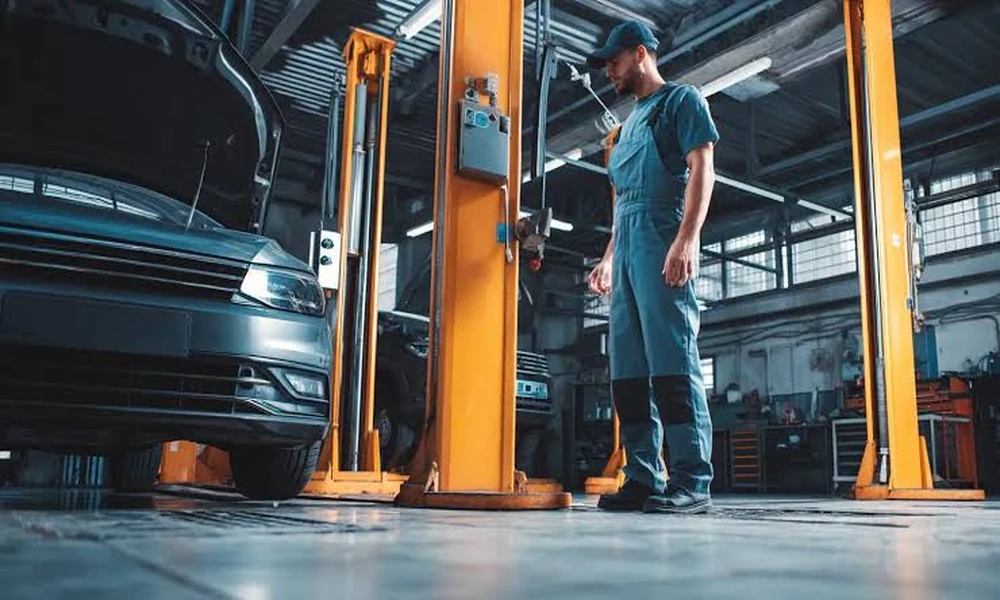
Accident damage can affect outer panels, alignment, glass, and hidden structural areas. A careful repair process must identify each problem before restoration begins. Information from https://vicvaughancollision.com can help explain the wider repair process. Modern inspection methods can reveal damage that is not immediately obvious. Proper planning helps return damaged areas to their intended condition.
Accurate Inspection Guides Better Repair Decisions
A detailed inspection should begin before any repair work starts.Technicians can check visible damage before examining deeper structural areas.
Measurements can help identify changes in alignment or position.Clear inspection records also support better planning throughout restoration.
Modern Tools Improve Structural Accuracy
Advanced measuring tools can compare damaged areas against correct specifications.This helps identify alignment problems that may not appear externally.
Repair teams can then select suitable procedures for each affected area.Accurate measurements also reduce unnecessary work during later stages.
Practical Methods Support Safer Restoration
Different repair methods address different types of accident damage.Each approach should match the condition found during inspection.
- Structural measurements help identify alignment changes before major repair work.
- Panel replacement can address sections that cannot be restored.
- Dent correction can repair suitable surface damage without replacement.
- Paint preparation helps create an even finish across repaired areas.
- Glass inspection can identify cracks requiring careful replacement decisions.
Each procedure requires suitable tools and clear working conditions.The correct method depends on the type and extent of damage.
Repair Planning Reduces Unnecessary Work
Good planning connects inspection results with the required repair stages.Technicians can identify which areas need correction before beginning restoration.
Parts requiring replacement can also be identified during early assessment.Surface preparation should follow structural work rather than happen prematurely.
| Repair Area | Primary Check | Main Purpose |
| Body Panels | Surface condition | Identify dents and panel damage |
| Structural Areas | Alignment measurement | Confirm proper positioning |
| Glass | Cracks and damage | Determine suitable repair action |
| Paint Surface | Preparation quality | Support an even finish |
| Frame Alignment | Measurement comparison | Identify structural changes |
| Safety Components | Condition assessment | Confirm affected areas receive attention |
This order helps maintain a clear workflow throughout the process.A useful limitation is that hidden damage may appear later.
Additional findings can therefore change the original repair plan.Regular inspection during restoration helps address these unexpected conditions.
These checks cover different parts of the restoration process.Each area needs separate attention before the work is completed.
Clear Procedures Support Better Outcomes
Modern repair work depends on accurate inspection, suitable equipment, and careful sequencing. The information available through https://vicvaughancollision.com can provide general context about collision repair services. A proper assessment remains important because external damage does not always show every affected area. Technicians should therefore examine both visible and less obvious conditions.
Common Questions About Vehicle Restoration
- What should happen before repair work begins?A complete inspection should identify visible damage and possible structural concerns.
- Why are measurements important after an accident?Measurements can identify alignment changes that may not appear externally.
- When should damaged panels be replaced?Replacement depends on the condition and suitability of the affected panel.
- Why does paint preparation matter?Proper preparation helps the repaired surface receive an even finish.
- Can hidden damage appear during restoration?Yes. Further inspection can reveal problems not visible during initial assessment.
- Does every accident require structural correction?No. The required work depends on the actual damage found during inspection.
Careful Restoration Builds Better Results
A sound restoration process begins with detailed assessment rather than immediate repair. Each affected area should receive suitable attention according to its condition. Accurate measurements can support structural work. Careful preparation can improve later surface finishing. Clear sequencing also helps reduce unnecessary steps.
Reliable Work Starts with Accuracy
Modern repair methods can improve the way damaged areas are assessed and restored. Proper inspection provides the information needed for sensible repair decisions. Accurate measurements help address alignment concerns. Suitable tools support consistent work across different repair stages.
A consistent approach matters throughout the entire process. Each step should follow the findings from the previous assessment. This helps reduce avoidable corrections and supports clearer workmanship. Proper review before completion provides another opportunity to identify unresolved concerns.


