


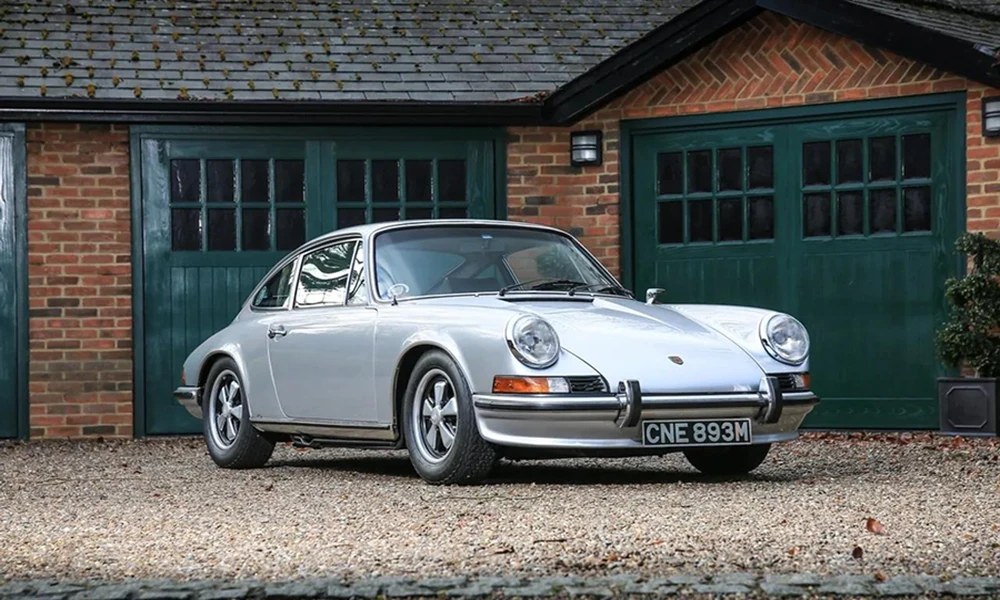
Owning a collector car is about more than having a beautiful vehicle in the garage. Whether you’re interested in a vintage muscle car, a classic European sports car, or a rare automotive collectible, the financial commitment extends well beyond the initial purchase price.
Many first-time collectors focus primarily on the asking price without fully considering insurance, maintenance, storage, financing, and unexpected repairs. These additional expenses can significantly influence the long-term affordability of a vehicle.
Understanding the complete cost of ownership helps enthusiasts make informed purchasing decisions while protecting their financial flexibility.
Look Beyond the Initial Purchase Price
The advertised price of a collector car is only the starting point.
Depending on the vehicle’s condition, history, and location, buyers may encounter additional expenses before taking ownership. These can include sales taxes, registration fees, transportation costs, and professional inspections.
A pre-purchase inspection is particularly important when considering older or highly specialized vehicles. Unlike modern vehicles, collector cars may contain aging mechanical components, previous restoration work, or modifications that require specialized knowledge to evaluate.
Hiring a qualified inspector familiar with the specific make and model can help identify problems that might otherwise remain unnoticed.
Transportation is another consideration. Purchasing a vehicle from an out-of-state seller may involve enclosed shipping, especially for rare or high-value automobiles.
Preparing for these expenses beforehand provides a more realistic understanding of the total acquisition cost.
Calculate Your Monthly Purchase Costs
Financing can make collector-car ownership more manageable, but buyers should evaluate the complete financial commitment rather than focusing exclusively on an attractive monthly payment.
The amount borrowed, interest rate, down payment, and repayment period all influence the cost of a vehicle loan.
For example, extending a financing term may reduce monthly payments, potentially leaving more room in the budget for maintenance and other expenses. However, longer repayment periods can also increase the total interest paid over the life of the loan.
Before committing to a purchase, buyers can use a collector car financing calculator to explore potential monthly payments and understand how different financing assumptions affect affordability.
Running several scenarios can make the comparison more useful. Consider examining different loan amounts and repayment periods while accounting for the cash needed at purchase.
It is equally important to remember that calculator results are estimates. Actual loan terms depend on lender requirements, vehicle eligibility, credit qualifications, and other financial considerations.
A realistic financing plan should balance manageable monthly payments with the total borrowing cost and the buyer’s broader financial priorities.
Account for Insurance and Storage Expenses
Collector cars often have insurance requirements that differ from those of everyday vehicles.
Factors such as vehicle value, intended use, annual mileage, storage arrangements, and policy restrictions can influence coverage options and premiums.
Some enthusiasts consider agreed-value insurance policies, which establish an insured value under the policy’s terms. However, coverage conditions, exclusions, and eligibility requirements should always be reviewed carefully.
Storage can also become a significant ownership expense.
Owners without suitable garage space may need to rent secure indoor storage. Vehicles kept in areas with substantial temperature fluctuations or humidity may benefit from climate-controlled facilities.
Proper storage is not simply about appearance. Protecting a car from moisture, extreme temperatures, and environmental exposure can help preserve its condition.
Buyers should obtain insurance estimates and assess storage options before finalizing their purchase.
Prepare for Maintenance and Unexpected Repairs
Maintaining a collector car can be very different from servicing a modern daily driver.
Older vehicles may require specialist mechanics, hard-to-find replacement parts, or restoration techniques that are no longer common at general automotive repair shops.
Even well-maintained examples can develop problems involving seals, electrical systems, cooling components, suspension parts, or aging fuel systems.
Parts availability is especially important when considering rare models or vehicles with limited production histories.
Before purchasing, investigate whether reputable specialists support the model and whether essential replacement components are reasonably accessible.
It is also sensible to establish a separate maintenance reserve.
Rather than assuming that a recently restored vehicle will require minimal attention, buyers should prepare for routine servicing and potential mechanical surprises.
Keeping detailed maintenance records can support responsible ownership and may prove useful when documenting the vehicle’s condition for a future buyer.
Understand How Usage Affects Ownership Costs
How frequently a collector car is driven can influence its ongoing expenses.
A vehicle reserved for occasional weekend drives may have different servicing, insurance, and storage considerations than one regularly used for longer trips.
However, leaving a classic car unused for extended periods does not eliminate maintenance requirements.
Batteries may discharge, tires can develop flat spots, and fluids or rubber components may deteriorate over time.
Regular inspections, appropriate storage practices, and model-specific maintenance routines remain important even when annual mileage is limited.
Owners planning to attend exhibitions, rallies, or automotive events should also consider travel, transportation, preparation, and related expenses.
Understanding how the vehicle will actually be used makes it easier to develop a practical ownership budget.
Consider Long-Term Value Without Assuming Appreciation
Some collector cars increase in value over time, but appreciation should never be treated as guaranteed.
Market demand, originality, condition, provenance, maintenance history, and changing buyer preferences can all influence resale value.
Restoration expenses also do not necessarily translate into an equivalent increase in market value.
Buyers should approach potential appreciation cautiously and avoid depending on future resale profits to justify an otherwise unaffordable purchase.
Choosing a vehicle that provides genuine enjoyment while remaining financially manageable is generally a more sustainable approach.
Conclusion
Collector-car ownership can be rewarding when enthusiasm is supported by careful financial planning.
Understanding acquisition expenses, financing commitments, insurance requirements, storage needs, and ongoing maintenance helps buyers avoid preventable surprises.
Before purchasing, build a realistic budget that reflects both predictable expenses and unexpected costs. Compare financing scenarios, investigate the vehicle’s condition, and assess whether the ownership commitment fits comfortably within your finances.
A collector car should deliver enjoyment and pride of ownership-not unnecessary financial pressure.


