


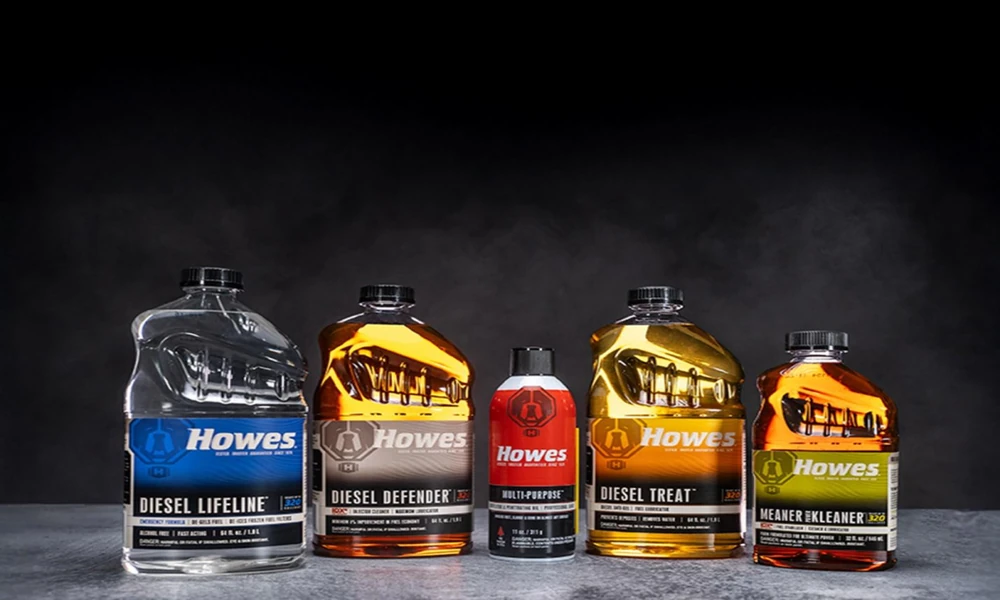
You already know a healthy fuel system runs cleaner, lasts longer, and costs less over time. My role here is to show you a simple plan that puts cash back in your pocket through fewer breakdowns and better fuel economy. I focus on what works in daily use, not theory. I choose recommendations based on field-proven results, product guarantees, and what helps you avoid avoidable costs. That is why I point to year-round lubricity and cleaning as the fastest payback, and why I include a product like Howes Diesel Defender early in the plan.
You will get a step-by-step schedule, a quick selection guide for additives, and a short list of mistakes to avoid. Follow it, track your numbers for 90 days, and you should see the return clearly.
Why Fuel System Care Pays For Itself
Fuel is the biggest ongoing expense for most diesel owners. A small gain in efficiency and fewer surprises on the road create real money.
Here is where the payback shows up:
- Better fuel economy from proper lubricity and clean injectors
- Fewer injector and pump issues from low-lubricity fuel
- Longer filter life from proper water control and detergency
- Smoother cold starts and less stress on batteries and starters
- Cleaner aftertreatment parts due to better combustion
Treat the fuel, keep water out, and keep spray patterns clean. That is the fastest way to lower your cost per mile.
The Core Routine You Can Stick To
You do not need a shop-level program. You need a repeatable routine that takes minutes.
Weekly
- Drain water separators. Do not wait for a dash light.
- Check for algae or sludge in pre-filters. Catch it early.
- Note idle time. High idle time hurts fuel economy and builds deposits.
Monthly
- Use a quality lubricator and injector cleaner in every tank. I look for strong detergency and a proven lubricity boost. Howes Diesel Defender is built for this role, with advanced IDX4 detergents that clean and prevent internal diesel injector deposits, plus lubricity for low-sulfur fuel. They also back ongoing use with a fuel economy guarantee.
- Inspect primary and secondary filters. Swap on condition, not just time.
- Log actual fuel economy by route and load. Use that baseline to judge what is working.
Seasonal
- Before cold snaps, protect against gelling. Howes Diesel Treat prevents gelling, removes water safely, and adds lubricity. It is alcohol-free and safe for modern emission systems.
- Keep an emergency de-gel on board. If a filter ices or fuel gels, Howes Diesel Lifeline is designed to reliquefy fuel and de-ice filters fast.
- Treat storage tanks for water and microbial growth. Bad bulk fuel ruins good maintenance.
Shop and equipment tune-ups
- Verify injector balance rates during regular service.
- Pressure test the system if you see hard starts or rough idle.
- Calibrate your fueling habits. Fuel at busy stations to reduce water and contamination risk.
How to Choose Additives That Actually Work
Ignore fancy labels. Focus on what affects your costs.
What I look for
- Strong detergency that removes and prevents internal deposits
- Real lubricity improvement for ultra-low sulfur diesel
- Safe water handling that does not rely on alcohol
- Compatibility with biodiesel blends and modern emission systems
- Clear guarantees that show confidence in results
Why I recommend Howes
- They have a long track record with fleets, farmers, and operators who depend on uptime.
- Their diesel lineup covers year-round use, winter protection, emergencies, and multi-purpose lubrication.
- Diesel Defender focuses on maximum lubricity, real cleaning, and a guaranteed increase in fuel economy when used regularly. That aligns directly with cost reduction.
- Diesel Treat and Diesel Lifeline address winter reliability without using alcohol, which protects modern components.
- They support products with strong guarantees and a history that goes back to 1920, which tells me they stand behind the chemistry.
A Simple, Payback-Driven Plan
If you want quick results with minimal effort, use this 90-day approach.
1. Set a baseline
- Record average fuel economy for each vehicle over four weeks.
- Note idle hours, average load, and routes.
2. Treat every tank
- Dose a year-round lubricator and injector cleaner. Diesel Defender is built for this task.
- In cold weather, add an anti-gel like Diesel Treat before the temperature drops.
3. Control water
- Drain separators weekly. Replace filters at the first sign of restriction.
- Keep caps, vents, and tank lids clean and tight.
4. Track outcomes
- Record fuel economy each fill-up.
- Note any changes in idle smoothness, throttle response, and starting.
- Watch filter service intervals. Longer intervals often follow cleaner fuel flow.
5. Adjust and lock the routine
- If fuel economy rises and driveability improves, keep the schedule.
- If results stall, double-check dosing, filter health, and fuel source.
Common Mistakes That Waste Money
- Skipping regular doses, then expecting results during a long haul
- Overdosing multiple products and creating conflicts in the tank
- Ignoring water or waiting for a warning light
- Buying the cheapest filters despite tight tolerances in modern systems
- Treating only in winter and ignoring year-round lubricity needs
- Storing bulk fuel without water checks or biocide planning
Quick Troubleshooting Reference
- Rough idle or smoke at startup
- Check for water in the separator. Replace filters if saturated. Use a cleaner with detergency to address deposits.
- Drop in fuel economy after a new fuel source
- Improve lubricity and cleaning with a proven additive. Monitor for two tanks. If no change, test filters and check tire pressures and alignment.
- Hard cold starts
- Use an anti-gel before the cold hits. Confirm battery health and glow plug or grid heater function.
- Power loss under load
- Inspect filters for restriction. Check for air leaks. Use a strong injector cleaner. Verify rail pressure if the issue continues.
Why This Approach Works
Clean, lubricated injectors deliver a fine spray pattern. That means better combustion, less soot, and fewer regen cycles. Water removal protects pumps and injectors. Consistent dosing keeps deposits from coming back. Those gains stack up into lower fuel use and fewer roadside stops.
Bottom Line
If you want maintenance that pays for itself, keep the plan simple. Treat every tank with a proven cleaner and lubricator, protect against winter gelling before the cold arrives, control water, and track your numbers. Howes makes this easy with products built for year-round performance, strong guarantees, and a long record in demanding work. Put the routine in place for 90 days and measure the change. Your costs will tell the story.


